
SOS
sos

Contract Creation &
Digital Signature
Workflow | ROCKEYE
Contract Management

Contract Template Setup
& Variable Management
| ROCKEYE Contract
Management
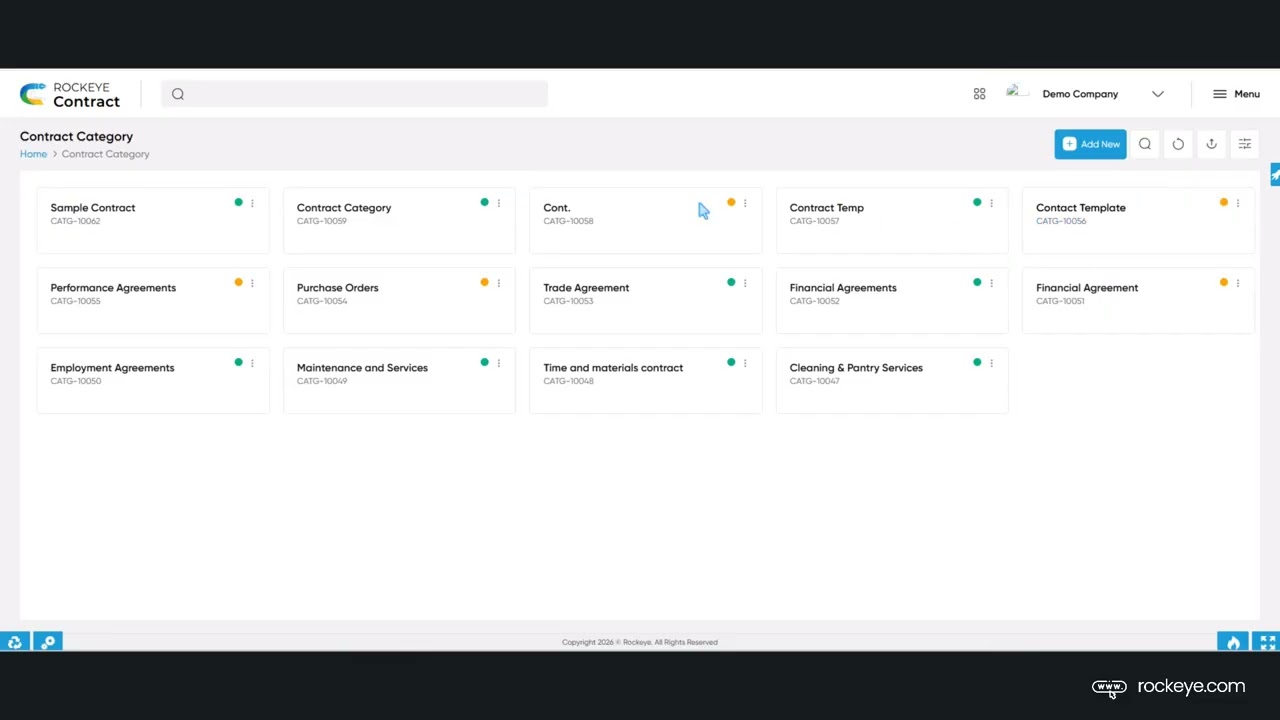
Item Master &
Contract Category Setup |
ROCKEYE Contract
Management
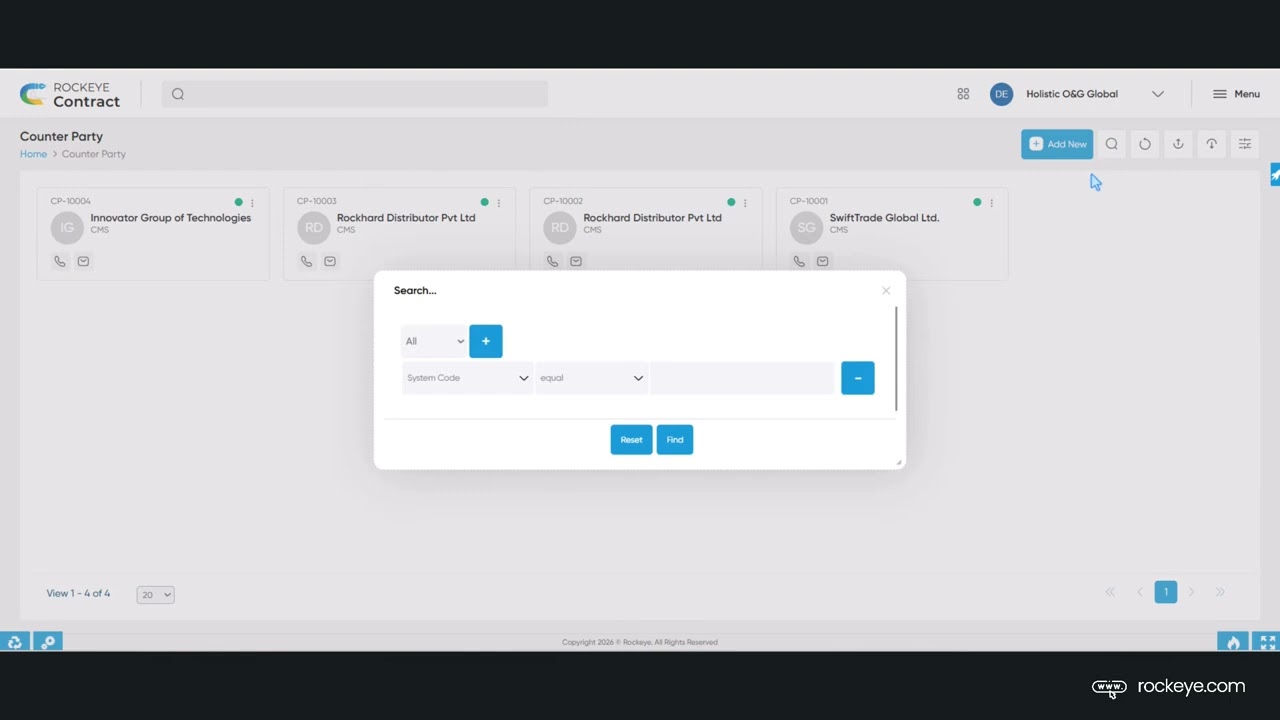
Counter Party &
Contract Entity
Management | ROCKEYE
Contract Management

Variable Type &
Variable Preset Setup |
ROCKEYE Contract
Management
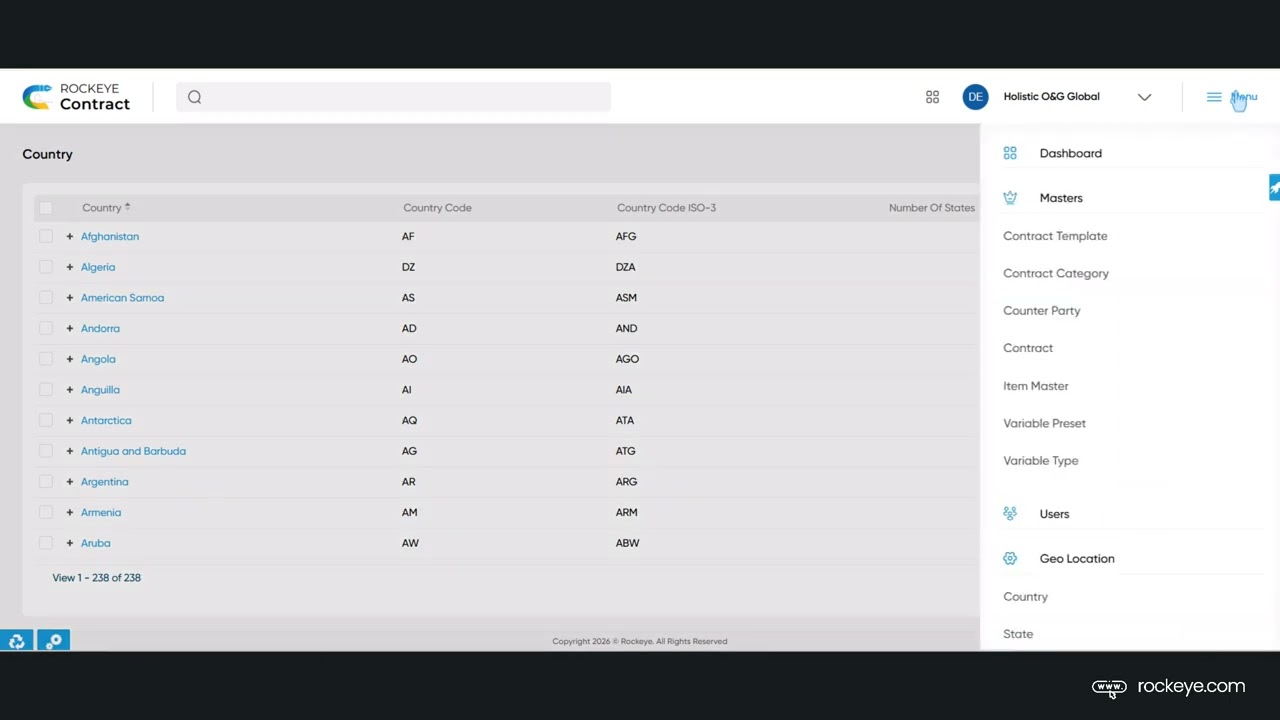
Geo Locations (Country,
State & City) |
ROCKEYE Contract
Management Solution
Frequently Asked Questions (FAQ's)
Your Queries, Our Answers - Let's strengthen your software development
Yes. The system records timestamps that allow administrators to measure response and resolution times.
Yes. Responders can communicate internally within the platform to coordinate actions during an emergency.
Yes. Alerts may be categorized into types such as medical emergency, safety threat, accident, or assistance request.
Yes. SOS alerts can be managed across multiple regions or operational zones with centralized monitoring.
Yes. Alerts can be assigned to designated officers or volunteers responsible for handling the situation.
The module can be used by government agencies, corporate campuses, universities, residential communities, and public safety programs.
Yes. By instantly notifying responders with location and incident information, the system helps coordinate faster and more organized responses.
Depending on system configuration, alerts may be received by authorities such as police teams, volunteers, security personnel, or designated administrators.
SOS alerts are typically used during emergencies such as accidents, personal safety threats, medical emergencies, or situations where immediate help is required.
The SOS module enables individuals to send emergency alerts quickly so responders or designated authorities can provide immediate assistance.
Yes. The system architecture supports deployments in cities or regions where many users may generate alerts simultaneously.
Yes. Administrative actions such as alert updates or assignments are recorded to maintain accountability.
Yes. Escalation rules can automatically notify higher authorities if an alert remains unresolved beyond a defined time.
Yes. Integration allows organizations to connect SOS alerts with broader safety and incident management workflows.
Yes. Analytical reports can show trends such as incident frequency, response time, and operational efficiency.