Basic Guide
Dashboard
Reports
Overview
Configurations
Masters
Featured Articles
Frequently Asked Questions
General
Key benefits include real-time fleet visibility, improved vehicle security, route optimization, cost reduction, and better operational decision-making.
Yes. Vehicle tracking provides operational visibility, route optimization, and fuel monitoring, which can benefit fleets of all sizes including small and mid-sized businesses.
Functional
ROCKEYE uses GPS-enabled tracking devices installed in vehicles to transmit location data to the platform. The system displays real-time vehicle location, speed, direction, and status on an interactive map interface.
Yes. The system provides historical playback where users can review previous routes, stoppages, travel duration, and distance travelled during any selected time period.
Yes. Users can define geofence zones such as warehouses, depots, or customer locations. Alerts are triggered when vehicles enter or exit these predefined areas.
Yes. Fleet managers can monitor multiple vehicles simultaneously through a centralized map dashboard showing live vehicle status.
Yes. Vehicles can be organized into groups based on fleet type, transporter, region, or operational category.
Yes. Drivers can be mapped to vehicles so trip history and operational activity can be tracked by driver and vehicle.
Yes. Trips can be created and assigned with vehicles, drivers, routes, and expected timelines to monitor fleet operations.
Yes. The system records trip start time, trip completion time, total duration, and travel distance.
Yes. The system records stop locations and stoppage duration, helping identify operational delays or unnecessary stops.
Yes. Idle alerts can be configured based on time thresholds when vehicles remain stationary longer than the defined duration.
Yes. Alerts can be triggered when vehicles deviate beyond a defined distance from their assigned route.
Yes. The system maintains detailed logs of distance travelled which can be analyzed per trip, vehicle, or reporting period.
Yes. The system compares planned trip timelines with actual vehicle movement data to identify delays.
Yes. Overspeed alerts can be configured based on time and distance parameters when vehicles exceed defined speed limits.
Yes. The system records how long vehicles remain inside a geofence zone, enabling monitoring of loading, unloading, or waiting times.
Yes. When geofences are defined for locations, the system automatically records vehicle arrival and departure times.
Yes. Completed trips can be replayed on the map showing the route taken, stops, and travel timeline.
Yes. The system dashboard shows vehicle operational status in real time, helping fleet managers monitor activity across the fleet.
Yes. Fleet reports provide insights into vehicle usage, travel distance, trip frequency, and idle time to evaluate fleet efficiency.
Yes. The system maintains daily movement logs including trips, stops, total distance travelled, and operational status.
Yes. Trip completion can be detected based on destination arrival, trip duration, or distance conditions.
Yes. Alerts can be configured when vehicles operate outside predefined operational time windows.
Yes. Geofences allow the system to record vehicle entry and exit events across defined operational zones.
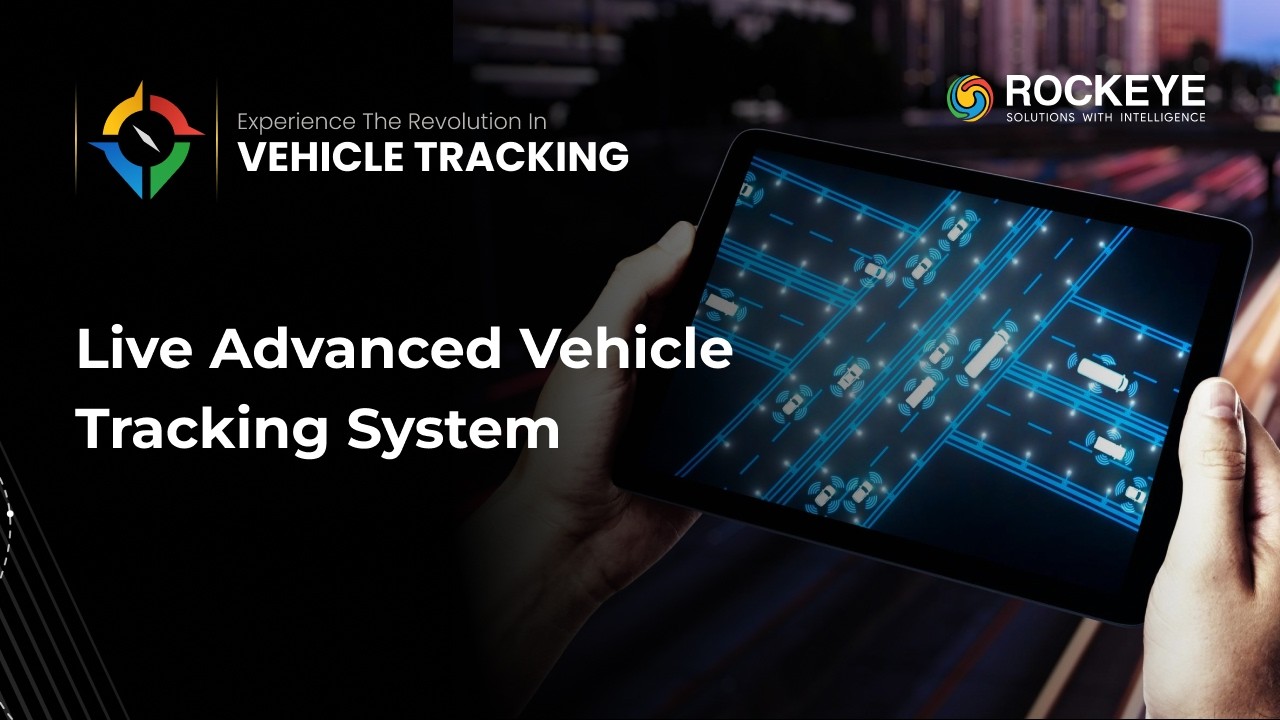
Yes. The platform provides a live map interface that shows the exact location, speed, and movement of each tracked vehicle.
Yes. Historical route playback and trip logs allow users to review past journeys, analyze routes, and evaluate vehicle performance.
Yes. Alerts can be configured for events such as overspeeding, excessive idle time, route deviation, or unauthorized vehicle movement.
Yes. Geofencing allows administrators to define virtual boundaries and receive alerts when a vehicle enters or exits a predefined area.
Yes. Telemetry data such as speed, acceleration, and braking patterns can be analyzed to evaluate driver behavior and promote safer driving practices.
Yes. The platform tracks vehicle speed, movement status, and idle time to help organizations identify inefficiencies and improve operational performance.
Yes. Alerts can be triggered when vehicles move outside approved routes or operating hours, helping organizations detect unauthorized usage.
Yes. Real-time location data allows dispatch teams to monitor vehicles and adjust delivery schedules or routes when needed.
Yes. The centralized dashboard allows fleet managers to monitor multiple vehicles at the same time through a single monitoring interface.
Yes. Real-time tracking helps locate stolen vehicles quickly and improves overall fleet security.
Yes. Trip data such as distance traveled, stops, and travel duration can be analyzed to identify efficiency improvements.
Yes. By analyzing route efficiency, idle time, and driving behavior, organizations can reduce unnecessary fuel consumption.
Yes. Usage data helps fleet managers evaluate vehicle utilization and optimize resource allocation.
Yes. Vehicle usage information such as mileage and operating hours can support preventive maintenance scheduling.
Yes. Reports summarizing vehicle activity, route efficiency, and operational performance can be generated for analysis.
The module is suitable for oil terminals, tank farms, storage depots, distribution hubs, and other facilities that manage bulk liquid products such as petroleum fuels.
The system allows centralized management of multiple terminals while providing real-time stock visibility for each location.
The Product Owner concept allows the system to segregate stock ownership when multiple companies store products in the same terminal facility.
Yes. The system tracks inventory separately for each product owner to ensure accurate stock accountability and reporting.
Technical
GPS devices installed in vehicles transmit location data to the system through cellular networks using supported communication protocols.
Yes. The platform can integrate with various GPS tracking devices depending on device compatibility and supported protocols.
Yes. Each tracking device is linked to a specific vehicle to ensure accurate location and movement data.
Yes. SIM cards used by GPS devices can be registered and monitored to maintain connectivity between the device and the tracking platform.
If connectivity is lost, GPS devices store tracking data locally and synchronize it automatically once network connectivity is restored.
Yes. The platform monitors device communication intervals and flags devices that stop reporting location data beyond defined time thresholds.
Yes. Alerts can be configured using distance and time parameters such as idle duration, route deviation distance, or trip delays.
Yes. All vehicle tracking events, alerts, and system interactions are recorded with timestamps for audit and traceability purposes.
Yes. Users can generate reports related to trips, vehicle movement, alerts, and operational activity, which can be exported in Excel or PDF formats.
Yes. The platform architecture supports scalable fleet monitoring and can handle large numbers of vehicles simultaneously.
GPS coordinates and timestamps received from devices are validated before being processed and displayed in the tracking interface.
Yes. Historical tracking data can be analyzed to identify movement patterns, frequently travelled routes, and operational inefficiencies.
Yes. Dashboards provide real-time visibility of fleet activity including active vehicles, alerts, trips, and operational status.
Yes. The vehicle tracking system can integrate with other enterprise systems through APIs to support logistics and fleet operations.
Typically a GPS tracking device installed in the vehicle collects location data and transmits it to a cloud-based monitoring platform.
Yes. The platform can integrate with compatible telematics devices that transmit vehicle location and operational data.
Yes. Many vehicle tracking systems provide APIs that allow integration with ERP, logistics, or fleet management software.
Yes. Authorized users can access tracking dashboards and alerts through mobile applications or web interfaces.
Yes. Notifications can be configured to automatically alert users when specific operational events occur.
Yes. Tracking devices typically rely on cellular or satellite communication to transmit location data to the system.
Many tracking devices store location data locally and transmit it once network connectivity is restored.
Yes. System dashboards can be configured to display relevant information depending on the user’s role.
Yes. Fleet managers can monitor all vehicle activities through a centralized dashboard interface.
Yes. Operational reports and tracking data can typically be exported in formats such as Excel or CSV.
Yes. Modern tracking platforms are designed to scale and support large fleets with thousands of vehicles.
Yes. GPS data is displayed on interactive digital maps to help users easily monitor vehicle movement.
Yes. Role-based access control allows administrators to define user permissions and system access levels.
Yes. Analytics tools allow organizations to schedule reports related to fleet performance and operational trends.
Yes. The system can display whether a vehicle is moving, parked, or idling based on telemetry data.
Yes. Cloud-based platforms are designed to accommodate fleet expansion and increasing data volumes.